Why Sleep Affects Fat Loss
Home > Resources > Why Sleep Affects Fat Loss
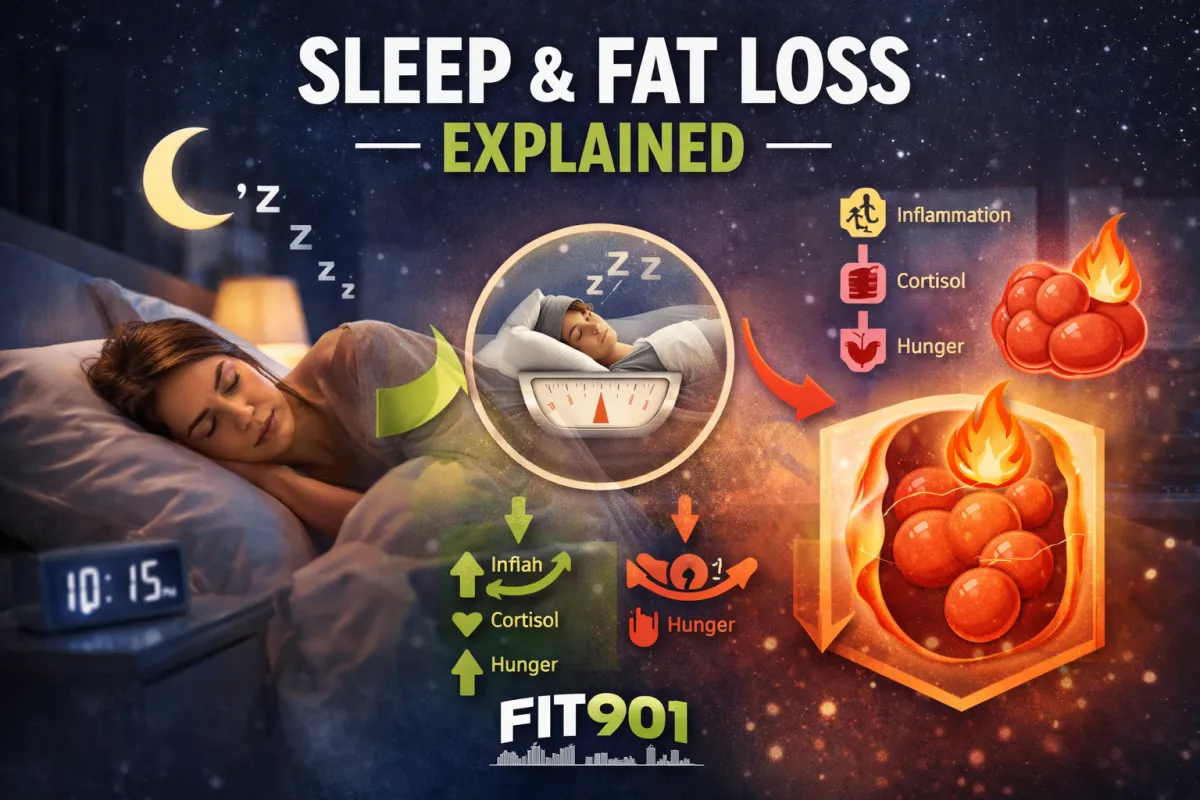
Sleep is often one of the most overlooked factors in weight loss and metabolic health. Many people focus on diet and exercise but underestimate the role that sleep plays in regulating hormones, appetite, and recovery.
Research from organizations like the National Institutes of Health and Stanford Medicine suggests that inadequate sleep can disrupt hormones involved in hunger and satiety.
Two of the most commonly discussed hormones are ghrelin and leptin. Ghrelin signals hunger, while leptin signals fullness. Poor sleep may increase ghrelin and decrease leptin, which can lead to stronger hunger signals and increased cravings.
Sleep deprivation may also increase stress hormones like cortisol. Elevated cortisol levels over time can influence appetite, fat storage, and recovery.
From a practical perspective, people who consistently sleep poorly often experience lower energy levels, reduced training performance, and greater difficulty sticking to nutrition plans.
This is why improving sleep habits is a foundational step in sustainable fat loss.
You can explore additional recovery and metabolic health topics in our Fit 901 resource library.
If you want structured support improving lifestyle habits and training consistency, learn about our Fit 901 transformation coaching.
For broader recovery strategies, see our energy and recovery guide.
Related Reading
Why Strength Training Matters for Fat Loss
What GLP-1 Medications Actually Do for Weight Loss
What Metabolic Health Really Means
If you want help improving sleep, recovery, training, and nutrition as part of a structured plan, schedule an introduction here: schedule a consultation.
