
Athletic Performance Training Memphis: The Ultimate Guide
Key takeaways
Master athletic performance training in Memphis. Learn about strength, agility, and tactical fitness with expert insights and actionable steps.
Unlocking Peak Athletic Performance: A Memphis Guide
For athletes and tactical professionals in Memphis, the pursuit of peak athletic performance is a constant drive. It’s about more than just showing up; it’s about optimizing every aspect of your physical and mental readiness to excel in your sport or demanding profession. Whether you’re a weekend warrior, a competitive athlete, or a first responder, the principles of effective athletic performance training Memphis are universal: build strength, enhance endurance, improve agility, and prevent injury. We’re not talking about random workouts here. We’re talking about a real plan, real coaching, and real accountability that actually fits your life.
The landscape of athletic training has evolved significantly. Gone are the days of one-size-fits-all programs. Modern approaches, grounded in exercise science and physiology, emphasize individualized strategies that address specific needs and goals. This comprehensive guide will explore the core components of athletic performance and tactical fitness training, offering actionable insights and highlighting how a tailored approach can help you achieve your full potential.
Understanding the Demands of Athletic Performance Training Memphis
To truly enhance athletic performance, it’s crucial to understand the unique physiological and psychological demands of your specific sport or tactical role. A basketball player needs different training than a powerlifter, just as a firefighter requires distinct conditioning compared to a marathon runner. This specificity principle is a cornerstone of effective training (Bompa & Haff, 2015). Ignoring these differences is a common reason why many individuals find themselves tired of starting over, constantly searching for a program that works.
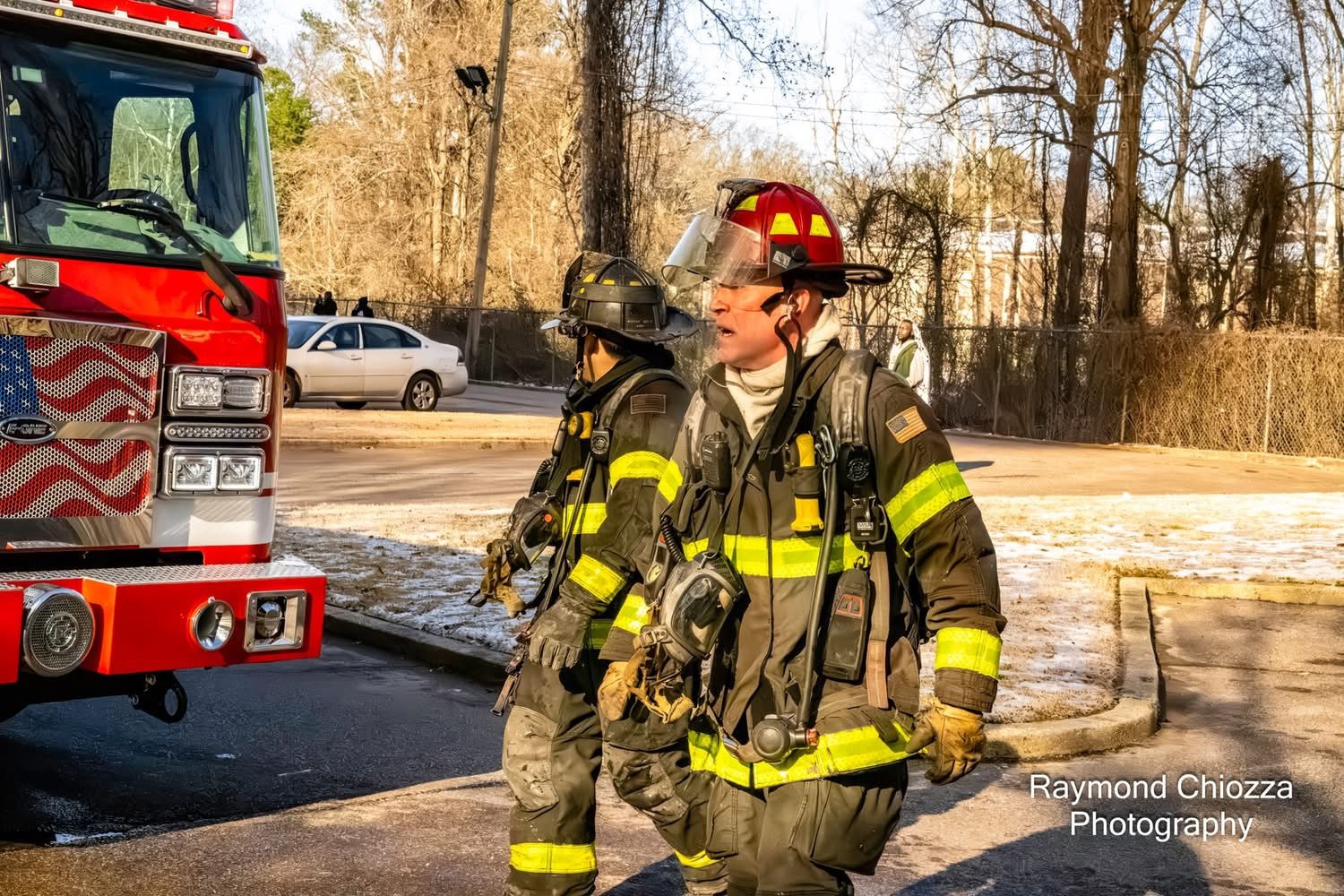
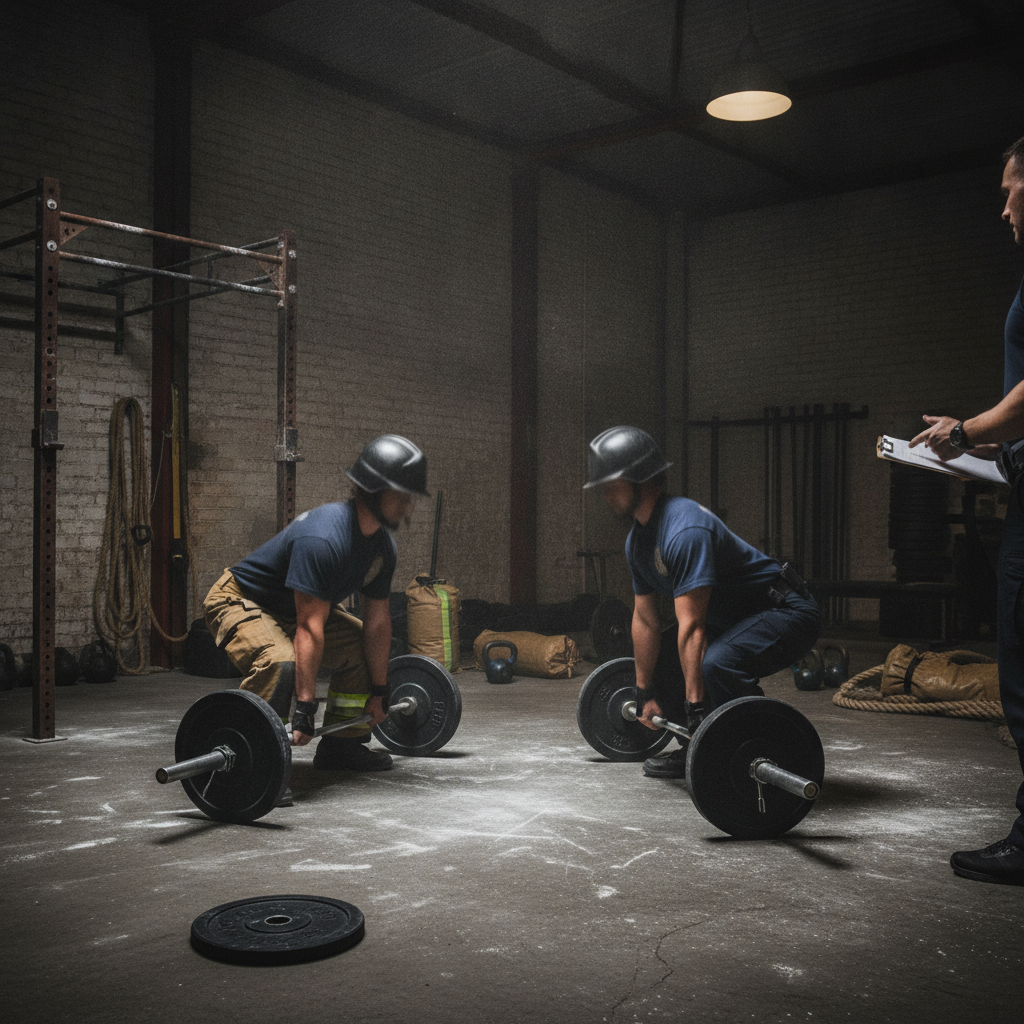
For athletes, performance hinges on a blend of strength, power, speed, agility, endurance, and flexibility. Tactical professionals, such as police officers, firefighters, and military personnel, require a similar but often more robust combination, with an added emphasis on durability, injury resilience, and the ability to perform under extreme stress. Their training must prepare them for unpredictable, high-stakes situations where physical and mental readiness can be the difference between success and failure, or even life and death.
Actionable Insight: Before starting any new training program, conduct a self-assessment of your current physical capabilities relative to the demands of your sport or profession. Identify your strengths and, more importantly, your weaknesses. This initial step provides a clear roadmap for targeted improvement.
The Pillars of Effective Training: Strength, Power, and Endurance
Building a robust foundation in strength, power, and endurance is non-negotiable for anyone serious about athletic performance. These three elements are interconnected and form the bedrock upon which all other athletic qualities are built. Without them, speed, agility, and injury prevention become significantly harder to develop.
Strength Training: This involves exercises that increase muscle force production. For athletes, strength training isn’t just about lifting heavy; it’s about developing functional strength that translates directly to improved performance on the field, court, or in a tactical scenario. Compound movements like squats, deadlifts, presses, and rows are fundamental. Research consistently shows that resistance training improves muscular strength and power, which are critical for athletic performance (Kraemer et al., 2002). At Fit 901, our approach focuses on building real-world strength that benefits you every day.
Power Training: Power is the ability to exert maximum force in the shortest possible time. Think of a sprinter exploding out of the blocks or a firefighter quickly hoisting equipment. Plyometrics (jump training), Olympic lifts, and medicine ball throws are excellent methods for developing power. These exercises train the nervous system to recruit muscle fibers more rapidly and efficiently. A meta-analysis by Markovic and Jaric (2007) confirmed the significant impact of plyometric training on power development in athletes.
Endurance Training: This refers to the body’s ability to sustain prolonged physical activity. For athletes, this could be maintaining performance throughout a game or race. For tactical professionals, it means enduring long shifts, carrying heavy gear, or performing sustained physical tasks. Both aerobic (long-duration, low-to-moderate intensity) and anaerobic (short-duration, high-intensity) endurance are important. High-intensity interval training (HIIT) has been shown to improve both aerobic and anaerobic capacity effectively (Gibala et al., 2006).
Actionable Insight: Incorporate a mix of strength, power, and endurance training into your weekly routine. For example, dedicate 2-3 days to strength training with compound movements, 1-2 days to power exercises, and 2-3 days to varied endurance work (e.g., long-distance running, sprints, or circuit training). This balanced approach ensures comprehensive development.
Optimizing Movement Patterns and Injury Prevention
Beyond raw strength and power, the quality of your movement patterns dictates how efficiently and safely you can perform. Poor movement mechanics not only limit performance but significantly increase the risk of injury. This is where a tactical performance approach truly shines, focusing on movements that are relevant to real-world demands.
Functional training emphasizes movements that mimic real-life actions, improving coordination, balance, and proprioception (your body’s awareness in space). Exercises like farmer’s carries, sled pushes/pulls, and specific sport-related drills are excellent for this. The goal is to move better, not just lift more weight.
Injury prevention is a proactive strategy built into effective training. It involves addressing muscular imbalances, improving flexibility and mobility, and teaching proper technique for all exercises and movements. A common pitfall is neglecting recovery and pushing the body too hard, leading to overuse injuries. Adequate rest, nutrition, and stress management are as crucial as the training itself (Kellmann, 2010).
Actionable Insight: Prioritize mobility and flexibility work for 10-15 minutes before and after your workouts. Focus on dynamic stretches before training and static stretches post-training. Additionally, incorporate exercises that target often-neglected muscle groups (e.g., glutes, core, rotator cuff) to correct imbalances.
Agility, Speed, and Reaction Time: Critical Components for Dynamic Performance
In many sports and tactical scenarios, the ability to change direction quickly, accelerate rapidly, and react instantaneously can be the defining factor between success and failure. These dynamic qualities are not solely genetic; they can be significantly improved with targeted training.
Agility Training: Agility involves rapidly changing direction while maintaining balance and control. Drills like cone drills, ladder drills, and shuttle runs are effective for improving agility. The key is to practice these movements at varying speeds and with unpredictable cues to simulate real-world situations (Sheppard & Triplett, 2010). For tactical fitness training Memphis, this often means navigating obstacles or responding to sudden threats.
Speed Training: Speed is the ability to move the body or a body part quickly. This includes acceleration (getting up to speed), maximal velocity (top speed), and deceleration (slowing down). Sprinting, resisted sprints (e.g., with a sled), and downhill sprints can all contribute to improved speed. Proper running mechanics are also vital for optimizing speed and preventing injuries (Mann, 2011).
Reaction Time: This is the time it takes to respond to a stimulus. For athletes, it could be reacting to an opponent’s move. For tactical professionals, it might be responding to an unexpected threat. Training reaction time often involves drills that require quick decision-making and rapid physical responses. Integrating cognitive tasks into physical drills can be particularly effective (Spence et al., 2009).
Actionable Insight: Incorporate 1-2 dedicated agility and speed sessions per week. Focus on short, intense bursts of activity followed by adequate rest. For reaction time, try drills where a partner gives you a visual or auditory cue, and you respond as quickly and accurately as possible.
Nutrition and Recovery: The Unsung Heroes of Performance
Training hard is only half the battle. Without proper nutrition and adequate recovery, your body cannot adapt, repair, and grow stronger. This often overlooked aspect is where many athletes and professionals fall short, finding themselves tired of starting over due to burnout or injury.
Nutrition for Performance: Fueling your body correctly is paramount. This means consuming adequate macronutrients (carbohydrates for energy, protein for muscle repair and growth, and healthy fats for overall health) and micronutrients (vitamins and minerals). Hydration is equally critical. Dehydration, even mild, can significantly impair performance and cognitive function (Sawka et al., 2007). A balanced diet, rich in whole foods, is the foundation. Specific nutritional strategies might vary based on training intensity and goals, but the basics remain constant.
Recovery Strategies: Recovery is when your body rebuilds and gets stronger. This includes sufficient sleep (7-9 hours per night is generally recommended for adults, more for athletes), active recovery (light exercise that promotes blood flow), and stress management techniques. Chronic stress, whether physical or psychological, can hinder recovery and increase injury risk (Meeusen et al., 2013). Tools like foam rolling, massage, and cold therapy can also aid recovery by reducing muscle soreness and inflammation.
Actionable Insight: Track your food and water intake for a few days to identify areas for improvement. Aim for 0.7-1 gram of protein per pound of body weight daily for muscle repair, and consume carbohydrates strategically around your workouts. Prioritize sleep by establishing a consistent bedtime routine and creating a dark, quiet sleep environment.
The Mental Game: Psychology of Peak Performance
Physical prowess alone is often not enough to achieve peak performance. The mental game—focus, resilience, motivation, and confidence—plays an equally critical role, especially in high-pressure situations. For tactical professionals, mental fortitude can be as vital as physical strength.
Focus and Concentration: The ability to stay focused and block out distractions is crucial. Techniques like mindfulness and visualization can help improve concentration. Visualizing successful performance before an event can prime the mind and body for success (Vealey & Chase, 2016).
Resilience and Grit: Athletes and tactical professionals will inevitably face setbacks, failures, and moments of intense difficulty. Resilience is the capacity to bounce back from these challenges, while grit is the perseverance and passion for long-term goals (Duckworth et al., 2007). Developing these traits involves embracing challenges, learning from mistakes, and maintaining a positive outlook.
Motivation and Goal Setting: Clear, challenging, and achievable goals provide direction and fuel motivation. Breaking down large goals into smaller, manageable steps can make the process less daunting and maintain momentum. Intrinsic motivation, driven by personal enjoyment and satisfaction, tends to be more sustainable than extrinsic motivation (Deci & Ryan, 2000).
Actionable Insight: Practice mindfulness for 5-10 minutes daily to improve focus. Set SMART goals (Specific, Measurable, Achievable, Relevant, Time-bound) for your athletic or tactical development. Reflect on past successes to build confidence and develop strategies for overcoming future obstacles.
Choosing the Right Program for Athletic Performance Training Memphis
Finding a training program that truly delivers a real plan, real coaching, and real accountability is essential. Many individuals get caught in a cycle of trying random workouts or extreme diets, only to find themselves tired of starting over. A truly effective program should be individualized, progressive, and supported by experienced coaches.
When evaluating options for athletic performance training Memphis, consider the following:
- Individualized Assessment: Does the program start with a thorough assessment of your current fitness level, movement patterns, and specific goals? A cookie-cutter approach rarely yields optimal results.
- Expert Coaching: Are the coaches certified, experienced, and knowledgeable in sports science and periodization? Good coaching provides guidance, motivation, and ensures proper technique.
- Progressive Overload: Does the program include a clear progression plan to continually challenge your body and avoid plateaus?
- Holistic Approach: Does the program consider nutrition, recovery, and mental preparedness, or does it solely focus on physical training?
- Community and Accountability: Does the environment foster a supportive community and provide mechanisms for accountability? This can be a huge motivator.
At Fit 901, we understand these needs. Our approach to athletic and tactical performance training is built on a foundation of scientific principles, personalized coaching, and a commitment to helping you achieve lasting results. We meet you where you are, designing programs that actually fit your life, ensuring no gimmicks and no guesswork. We’re here to provide the real plan, real coaching, and real accountability that prevents you from being tired of starting over.
Frequently Asked Questions About Athletic Performance Training
Q: How long does it take to see results from athletic performance training?
A: The timeline for seeing results varies based on individual starting fitness levels, consistency of training, and the specificity of goals. Generally, you can expect to notice improvements in strength and endurance within 4-6 weeks, with more significant performance gains appearing over 3-6 months of consistent, well-structured training (ACSM, 2009).
Q: Is athletic performance training only for professional athletes?
A: Absolutely not. While professional athletes certainly benefit, the principles of athletic performance training apply to anyone looking to improve their physical capabilities, whether for recreational sports, demanding jobs, or general fitness. It’s about optimizing your body’s potential, regardless of your competitive level.
Q: What’s the biggest mistake people make when trying to improve athletic performance?
A: One of the most common mistakes is a lack of consistency and proper periodization. Many people jump from one program to another, or train without a clear plan, leading to plateaus, burnout, and increased injury risk. Neglecting recovery and nutrition is another major pitfall (Bompa & Haff, 2015).
Q: How important is nutrition for tactical fitness?
A: Nutrition is critically important for tactical fitness. It provides the energy for demanding physical tasks, aids in recovery from stress and injury, and supports cognitive function under pressure. Adequate hydration and a balanced intake of macronutrients and micronutrients are essential for sustained performance and resilience in tactical roles (Institute of Medicine, 2001).
Q: Can I train for athletic performance at home?
A: While some elements of athletic performance can be trained at home (bodyweight exercises, running, basic plyometrics), comprehensive development often benefits from access to specialized equipment, expert coaching, and a dedicated training environment. For optimal results in athletic performance training Memphis, a well-equipped facility with experienced trainers is highly recommended.
Q: How can I prevent burnout from intense training?
A: Preventing burnout involves prioritizing recovery, ensuring adequate sleep, maintaining a balanced diet, and managing stress. Incorporating deload weeks, varying training intensity, and listening to your body’s signals are also crucial. A good coach can help you structure your training to minimize burnout risk (Kellmann, 2010).
Achieving peak athletic performance and tactical fitness is a journey that requires dedication, smart training, and a holistic approach. It’s about more than just physical exertion; it’s about building a resilient body and mind. If you’re tired of starting over with programs that don’t deliver, and you’re ready for a real plan, real coaching, and real accountability that actually fits your life, we invite you to have a conversation with us. We offer no gimmicks, no guesswork, just a clear path to your goals. Let’s talk about how we can meet you where you are and help you unlock your full potential.
Ready to See What’s Possible?
Whether you’re starting with our 9-week transformation, joining a CrossFit class, or beginning physician-led medical weight loss, the path begins the same way: a real conversation with our team.
Tell us where you are and where you want to be — we’ll personally call you within 24 hours to talk through which Fit 901 path fits your goals.
About the Author
Rob Yahn is the owner and head coach of Fit 901 in Memphis. A 32-year firefighter and paramedic, USAW-certified weightlifting coach, and CrossFit Level 2 Trainer, Rob has spent over two decades coaching real Memphians through real transformations. Save 901-657-4552 in your phone — that’s the Fit 901 line.
Ready for the next step?
Fit 901 · Memphis · 901-657-4552