
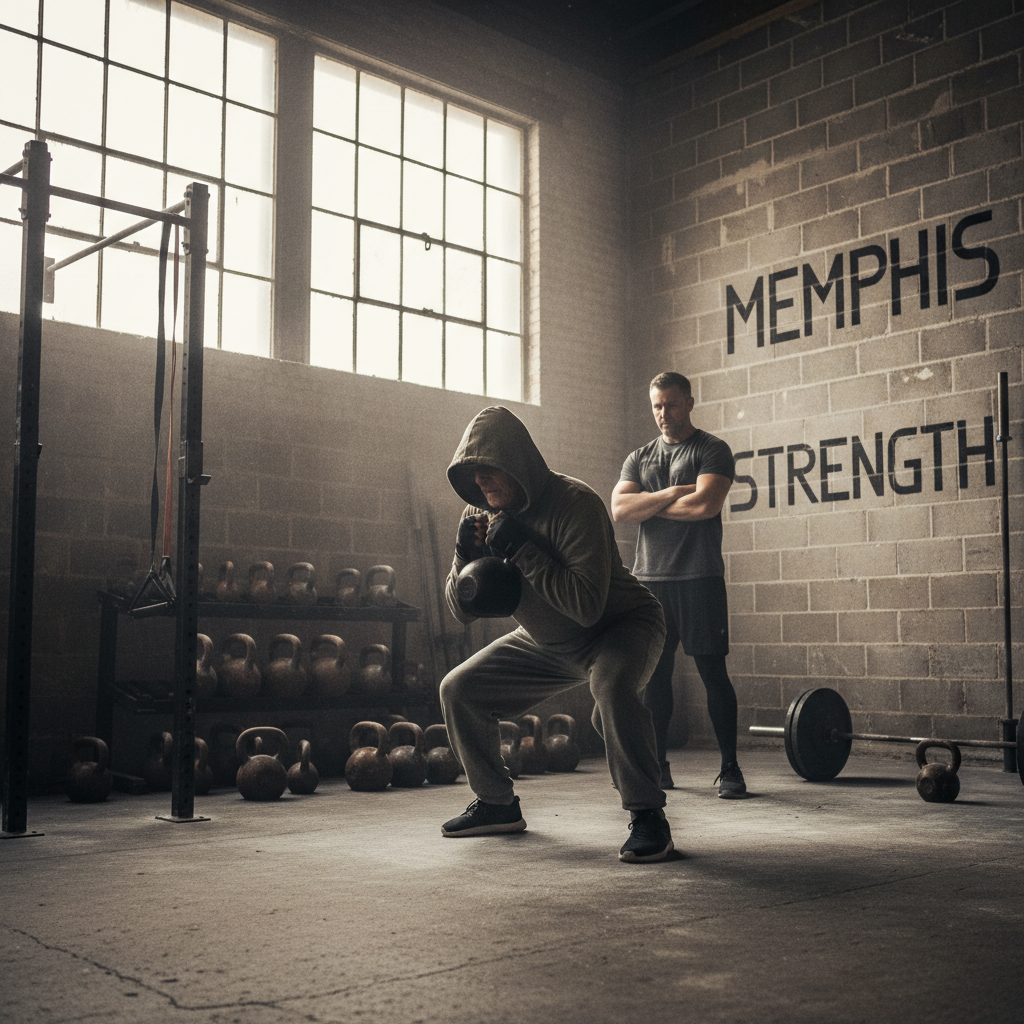
The Pursuit of Healthy Aging Fitness in Memphis: Beyond Just “Getting By”
Many people in Memphis find themselves tired of starting over when it comes to their health as they age. They experience nagging aches, reduced energy, and a growing frustration that their bodies just don’t move like they used to. The problem isn’t just the passage of time; it’s often the lack of a real plan, real coaching, and real accountability that actually fits your life. Without a targeted approach to healthy aging fitness in Memphis, the pain of declining mobility intensifies, leading to a diminished quality of life. But what if there was a clear path to not just slow down the aging process, but to actively improve your strength, mobility, and overall longevity? This guide cuts through the noise, offering an authoritative look at evidence-based strategies for maintaining and enhancing physical function as you age, helping you move past the guesswork and toward a future of vibrant health.
Understanding the Foundations of Healthy Aging and Longevity
Healthy aging isn’t about avoiding wrinkles; it’s about preserving physical and cognitive function to maintain independence and quality of life for as long as possible. The concept of “longevity” extends this, focusing on increasing both lifespan and “healthspan” – the period of life spent in good health, free from chronic disease and disability. A sedentary lifestyle is a significant risk factor for age-related decline, contributing to sarcopenia (age-related muscle loss), osteopenia/osteoporosis (bone density loss), and decreased cardiovascular health (Booth et al., 2017). Conversely, regular physical activity is consistently linked to a reduced risk of all-cause mortality and a higher likelihood of healthy aging (Chiu et al., 2022).
The benefits extend beyond the physical. Exercise has been shown to improve cognitive function, reduce the risk of neurodegenerative diseases, and positively impact mental health by reducing symptoms of depression and anxiety (Blumenthal et al., 2012). For individuals seeking healthy aging fitness in Memphis, understanding these foundational principles is the first step toward a more active and fulfilling life. It’s about recognizing that fitness isn’t just for youth; it’s a lifelong investment with profound returns.
The Role of Genetics vs. Lifestyle in Longevity
While genetics play a role in determining an individual’s potential lifespan, lifestyle choices are increasingly recognized as dominant factors in healthy aging and longevity. Studies on twins estimate that genetics account for only about 20-30% of the variation in human lifespan, leaving a substantial portion influenced by environmental factors and personal behaviors (Herskind et al., 1996). This means that even if you don’t have a family history of extreme longevity, your daily habits – particularly those related to physical activity, nutrition, and stress management – have a powerful impact on your healthspan. This empowers individuals in Memphis to take proactive steps, knowing that their efforts can significantly alter their aging trajectory. We believe in empowering you with a real plan, real coaching, and real accountability, because your choices truly matter.
Strength Training: The Cornerstone of Mobility and Bone Health
When we talk about healthy aging fitness in Memphis, strength training is non-negotiable. As we age, we naturally lose muscle mass and strength, a process called sarcopenia, which can begin as early as our 30s and accelerate after 50. This isn’t just about lifting heavy; it’s about maintaining functional strength for everyday tasks – carrying groceries, climbing stairs, getting up from a chair. Research consistently demonstrates that resistance training is the most effective intervention for counteracting sarcopenia and improving muscle quality (Westcott, 2012). It also plays a critical role in bone health, stimulating bone growth and increasing bone mineral density, which is crucial for preventing osteoporosis and reducing fracture risk (Hong & Kim, 2018). For those navigating healthy aging fitness in Memphis, incorporating a structured strength program is paramount.
Many people are intimidated by strength training, picturing heavy barbells and competitive environments. However, effective strength training for healthy aging can be performed with bodyweight, resistance bands, dumbbells, or machines, tailored to individual capabilities and goals. The key is progressive overload – gradually increasing the challenge over time to continue stimulating muscle adaptation. This could mean more repetitions, heavier weights, or more challenging exercises. We often hear people say they’re tired of starting over with random workouts; a structured strength program provides a clear path forward, with no gimmicks, no guesswork.
Functional Strength for Daily Life in Memphis
Beyond isolated muscle groups, functional strength training focuses on movements that mimic real-life activities. This means exercises like squats, lunges, pushes, pulls, and carries. For example, a squat isn’t just a leg exercise; it’s the movement pattern for sitting down and standing up. A lunge prepares you for walking up stairs or stepping over obstacles. Incorporating these multi-joint movements helps improve coordination, balance, and overall movement efficiency, directly translating to greater independence and safety in daily life. This approach ensures that the strength gained in the gym actually fits your life outside of it, whether you’re navigating the Memphis riverfront or playing with grandchildren. We meet you where you are, designing programs that build practical, usable strength.
Cardiovascular Health: Fueling Energy and Endurance
Cardiovascular fitness is another pillar of healthy aging. A strong heart and efficient circulatory system are vital for delivering oxygen and nutrients throughout the body, supporting energy levels, cognitive function, and organ health. Regular aerobic exercise significantly reduces the risk of heart disease, stroke, type 2 diabetes, and certain cancers – all common age-related conditions (Lee et al., 2012). For those focusing on healthy aging fitness in Memphis, incorporating consistent cardiovascular activity is essential for maintaining vitality and preventing chronic illness.
The American Heart Association recommends at least 150 minutes of moderate-intensity aerobic activity or 75 minutes of vigorous-intensity activity per week. This doesn’t have to mean hours on a treadmill. Brisk walking around Overton Park, cycling along the Shelby Farms Greenline, swimming at a local community center, or even dancing can contribute to your cardiovascular health. The goal is to elevate your heart rate and maintain it for a sustained period. Consistency is more important than intensity initially, especially for those who are new or returning to exercise. Building endurance allows you to participate more fully in life, whether it’s enjoying Memphis festivals or simply keeping up with daily demands.
Mobility and Flexibility: Maintaining Range of Motion and Preventing Injury
Mobility, often overlooked, is crucial for healthy aging. It refers to the ability to move a joint through its full range of motion without pain or restriction. Flexibility, while related, is specifically the elasticity of muscles and connective tissues. As we age, connective tissues can stiffen, and a sedentary lifestyle can further reduce joint mobility, leading to stiffness, pain, and increased risk of injury (Maciel et al., 2021). For individuals pursuing healthy aging fitness in Memphis, addressing mobility is key to preventing discomfort and maintaining an active lifestyle.
Incorporating mobility drills and flexibility exercises into your routine can significantly improve joint health and overall movement quality. This includes dynamic stretches (movements that take your joints through their full range of motion, like arm circles or leg swings) before a workout, and static stretches (holding a stretch for 20-30 seconds) after a workout. Yoga and Pilates are also excellent modalities for improving both mobility and flexibility, along with core strength and balance. These practices can help you maintain the ability to reach overhead, bend down, and twist comfortably, making everyday movements effortless rather than a challenge. We provide real coaching to ensure you’re performing these movements safely and effectively.
Balance Training: A Critical Component for Fall Prevention
Falls are a leading cause of injury and disability among older adults, often resulting in fractures and a significant decline in independence (CDC, 2023). Balance training is a vital component of any healthy aging fitness program. It involves exercises that challenge your stability, such as standing on one leg, walking heel-to-toe, or using unstable surfaces. These exercises improve proprioception (your body’s awareness of its position in space) and strengthen the muscles responsible for maintaining balance, thereby reducing the risk of falls (Sherrington et al., 2017). Including balance work is not just about physical fitness; it’s about preserving autonomy and confidence as you age in Memphis.
Nutrition and Recovery: Fueling Your Body for Longevity
Exercise alone isn’t enough; what you put into your body and how you recover are equally critical for healthy aging and longevity. A balanced diet rich in whole foods, lean proteins, healthy fats, and complex carbohydrates provides the necessary fuel for energy, muscle repair, and overall cellular function. Protein intake is particularly important for older adults to combat sarcopenia and support muscle synthesis (Baum et al., 2016). Aim for consistent protein consumption throughout the day, especially after exercise. We often integrate nutritional guidance into our programs, understanding that it’s a vital piece of the puzzle.
Hydration is another often-overlooked aspect. Water is essential for every bodily function, including nutrient transport, temperature regulation, and joint lubrication. Dehydration can lead to fatigue, reduced physical performance, and impaired cognitive function. Finally, adequate sleep is not a luxury; it’s a fundamental pillar of recovery and repair. During sleep, your body repairs tissues, consolidates memories, and regulates hormones. Chronic sleep deprivation can impair immune function, increase inflammation, and negatively impact metabolic health (Walker, 2017). Prioritizing 7-9 hours of quality sleep per night is crucial for anyone serious about healthy aging fitness in Memphis.
Choosing the Right Approach for Healthy Aging Fitness in Memphis
Navigating the world of fitness options can be overwhelming, especially when you’re seeking a program that truly supports healthy aging. Many people are tired of starting over with programs that don’t deliver. Let’s compare a few common approaches to help you find what actually fits your life.
Option 1: DIY & Generic Gym Memberships
This approach involves joining a large gym and trying to figure out a routine on your own, or following generic workout videos online. The primary advantage is cost-effectiveness. However, the drawbacks are significant for healthy aging. Without personalized guidance, there’s a higher risk of injury, especially with pre-existing conditions or mobility limitations. Generic programs often don’t account for individual needs, leading to frustration and a lack of progress. Many find themselves doing random workouts, without a clear purpose or progression. This often results in being tired of starting over repeatedly, as motivation wanes without tangible results or accountability.
For someone specifically seeking healthy aging fitness in Memphis, a DIY approach can miss critical elements like targeted mobility work, balance training, or appropriate strength progression that addresses age-related changes. The lack of accountability also makes it easy to skip workouts, further hindering consistency and long-term success. While some individuals thrive with self-motivation, for most, especially as they navigate the complexities of aging, a more structured and supportive environment is beneficial.
Option 2: Specialized Group Fitness Classes
Specialized group classes, such as senior fitness programs, yoga, Pilates, or water aerobics, offer a structured environment with instructor guidance and a sense of community. These can be excellent for motivation and provide specific benefits like improved flexibility (yoga) or core strength (Pilates). The group setting can foster social connection, which is also important for healthy aging.
However, even specialized group classes may not offer the individualized attention necessary for optimal healthy aging. An instructor may not be able to tailor exercises to each person’s unique limitations, injuries, or specific goals. For example, while a yoga class improves flexibility, it might not provide sufficient resistance training to combat sarcopenia effectively. Similarly, a water aerobics class is great for cardiovascular health and joint support but might lack the progressive overload needed for significant strength gains. The “one-size-fits-all” nature, even in a specialized class, might not provide the real plan, real coaching, and real accountability many need to truly transform their health.
Option 3: Personalized Coaching and Tailored Programs (Our Approach)
This approach involves working with experienced coaches who design a program specifically for your body, your goals, and your life. For healthy aging fitness in Memphis, this means a program that accounts for your current mobility, any past injuries, and your specific aspirations for longevity and independence. It’s about a real plan, real coaching, and real accountability. Coaches can provide ongoing adjustments, ensure proper form to prevent injury, and motivate you through plateaus. This is where programs like our Transformation program or Medical Weight Loss program come into play, offering comprehensive support.
The benefits include maximized results, reduced injury risk, and a program that actually fits your life. There are no gimmicks, no guesswork; just evidence-based training tailored to you. While this option may involve a higher financial investment, the return on investment in terms of sustained health, mobility, and quality of life can be immeasurable. This approach meets you where you are, providing the expertise and support needed to achieve lasting change, moving beyond being tired of starting over to building sustainable habits for healthy aging.
Real-World Application: Actionable Steps for Today
It’s easy to read about healthy aging, but the real change comes from action. Here are 2-3 specific things you can do today:
- Perform a “Sit-to-Stand” Test: Without using your hands, try to stand up from a chair and sit back down 5 times in a row. Time yourself. This simple functional strength test gives you a baseline for leg strength. If it’s a struggle, start practicing 3 sets of 10-12 sit-to-stands daily. (Jones et al., 1999)
- Integrate a 10-Minute Brisk Walk: Step outside for just 10 minutes and walk at a pace where you can talk but are slightly breathless. This is a low-impact way to boost cardiovascular health and can be done around your neighborhood in Memphis. Over time, aim to increase this to 30 minutes.
- Practice Single-Leg Balance: Hold onto a stable surface like a counter. Lift one foot slightly off the ground and try to balance for 10-15 seconds. Repeat 3-5 times per leg. As you get stronger, try without holding on. This directly improves balance and reduces fall risk. (Sherrington et al., 2017)
Frequently Asked Questions About Healthy Aging Fitness
Q: Is it ever too late to start a fitness program for healthy aging?
A: No, it is never too late. Research shows that older adults, even those in their 70s, 80s, and beyond, can significantly improve their strength, mobility, and cardiovascular health through regular exercise (Fiatarone Singh, 2002). The key is to start safely and progressively, ideally with professional guidance.
Q: How often should I exercise for healthy aging?
A: The American College of Sports Medicine (ACSM) recommends at least 150 minutes of moderate-intensity aerobic activity per week, along with 2-3 days of strength training for all major muscle groups, and 2-3 days of flexibility and balance exercises (ACSM, 2011). Consistency is more important than extreme intensity.
Q: What if I have chronic health conditions or pain?
A: If you have chronic conditions or persistent pain, it is crucial to consult with your doctor before starting any new exercise program. A qualified coach can then work with your medical team to design a program that is safe and effective, accommodating your specific needs and limitations. We meet you where you are, ensuring your program aligns with your health status.
Q: Do I need special equipment to start?
A: Not necessarily. Many effective exercises for healthy aging can be done with just your body weight, resistance bands, or simple dumbbells. The most important “equipment” is a real plan, real coaching, and real accountability.
Q: How can I stay motivated in the long term?
A: Finding an activity you enjoy, setting realistic goals, tracking your progress, and having a support system (like a coach or a workout buddy) are all key strategies for long-term motivation. When you see real results and feel the benefits, staying consistent becomes easier.
The journey toward healthy aging fitness in Memphis doesn’t have to be one of frustration or guesswork. By focusing on strength, cardiovascular health, and mobility, supported by proper nutrition and recovery, you can reclaim your vitality and ensure your body actually fits your life for years to come. If you’re tired of starting over with random workouts and are ready for a real plan, real coaching, and real accountability, we’re here to help you take the next step.
Ready to See What’s Possible?
Whether you’re starting with our 9-week transformation, joining a CrossFit class, or beginning physician-led medical weight loss, the path begins the same way: a real conversation with our team.
Tell us where you are and where you want to be — we’ll personally call you within 24 hours to talk through which Fit 901 path fits your goals.
About the Author
Rob Yahn is the owner and head coach of Fit 901 in Memphis. A 32-year firefighter and paramedic, USAW-certified weightlifting coach, and CrossFit Level 2 Trainer, Rob has spent over two decades coaching real Memphians through real transformations. Save 901-657-4552 in your phone — that’s the Fit 901 line.