Why “Low Impact” Isn’t Enough for Lasting Strength in Memphis
Key takeaways
Discover why relying solely on low-impact workouts can hinder strength and bone density for busy adults in Memphis. Learn about effective strength training for real-world resilience.
Written by Rob Yahn
You’ve been told to embrace “low impact” workouts to protect your joints, especially as life gets busier with kids and work. You might even feel a twinge of guilt if you consider anything more intense. But what if focusing solely on low impact is actually holding you back from the strength and resilience you need to keep up with life in Memphis, whether that’s chasing toddlers or managing a demanding job?
What Does “Low Impact” Really Mean for Your Body?
Low impact, in fitness terms, generally refers to exercises where at least one foot remains on the ground, minimizing jarring forces on your joints. Activities like walking, swimming, cycling, and some forms of yoga are common examples. The idea is to reduce stress on knees, hips, and ankles. While this can be beneficial for specific recovery periods or individuals with certain conditions, relying solely on low-impact exercise often means you’re missing out on the crucial stimulus needed to build true, functional strength and bone density.
Why Does Strength Training Matter More Than Just “Low Impact”?
Strength training, which involves working your muscles against resistance, is fundamental for long-term health and function. It builds muscle mass, which naturally declines with age, and strengthens bones, reducing the risk of osteoporosis (ACSM, 2009). For busy parents or professionals in Memphis, having real strength means you can carry groceries, lift kids, and handle daily physical demands without strain. Low-impact cardio alone won’t deliver these benefits. You need to challenge your muscles to make them stronger and more resilient.
Can “Low Impact” Exercises Build Significant Muscle and Bone Density?
While some low-impact exercises can contribute to muscle endurance, they are often insufficient for building significant muscle mass or improving bone density, especially as you age. To stimulate muscle growth (hypertrophy) and bone strengthening, you need to apply progressive overload—gradually increasing the resistance or intensity over time (Schoenfeld, 2010). Many low-impact activities don’t provide this consistent, increasing challenge. For example, walking is low impact, but it won’t build the same leg strength or bone density as squatting with added weight.
What Are the Trade-offs Between Low-Impact and Strength-Focused Training?
Choosing between purely low-impact and strength-focused training involves understanding different goals and outcomes. Low-impact training excels at cardiovascular health and joint protection, but often falls short on muscle and bone development. Strength-focused training, even with higher impact elements, builds resilience and functional capacity. The key is finding a balanced approach that meets your needs, especially for adults 30-70+ who need to maintain muscle and bone health.
| Feature | Pure Low-Impact Training | Strength-Focused Training |
|---|---|---|
| Primary Goal | Cardiovascular health, joint protection | Muscle gain, bone density, functional strength |
| Impact on Joints | Minimal | Can be moderate to high, but often controlled |
| Muscle Growth | Limited | Significant |
| Bone Density | Minimal improvement | Significant improvement |
| Time Efficiency for Results | Requires more duration for strength benefits | Highly efficient for strength and body composition |
| Typical Activities | Walking, swimming, cycling, elliptical | Lifting weights, bodyweight exercises, functional movements |
How Can Busy Adults in Memphis Incorporate Effective Strength Training?
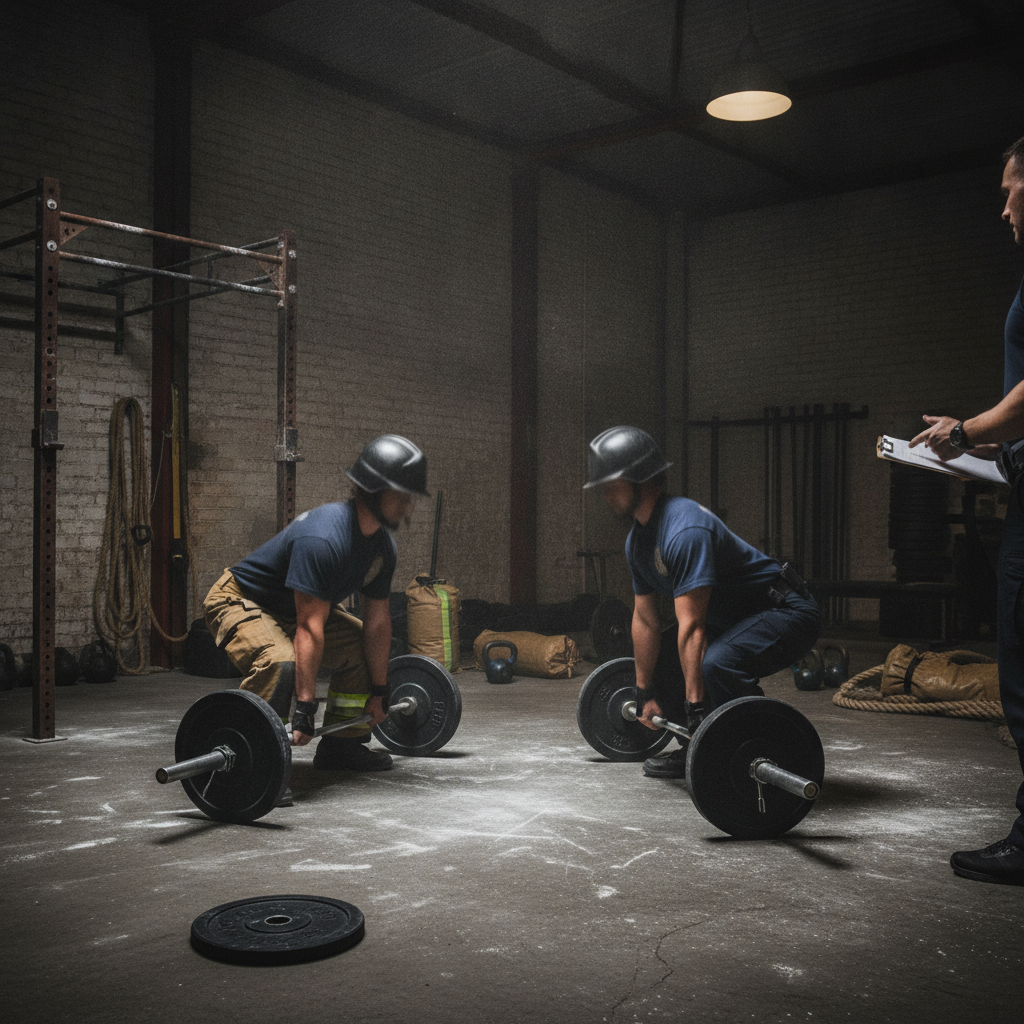
For busy professionals and parents in Memphis, the challenge isn’t just knowing what to do, but how to fit it in. Effective strength training doesn’t require hours in the gym. Focused, coach-led sessions that prioritize compound movements (like squats, deadlifts, presses) can deliver maximum results in a shorter, predictable timeframe. This approach builds real-world strength that translates directly to your daily life, helping you manage stress and maintain energy levels. It’s about making every minute count and having a real plan, real coaching, and real accountability to keep you consistent.
FAQs About Building Strength and Managing Impact
Is strength training always high-impact?
No. While some strength training involves higher impact, many effective exercises can be modified to be lower impact while still building significant strength. For example, a squat can be performed with bodyweight or resistance bands before adding heavy barbells, controlling the impact (NSCA, 2016).
How often should I strength train for results?
For most adults, 2-3 strength training sessions per week are sufficient to build and maintain muscle mass and strength, especially if the training is intense and covers all major muscle groups (ACSM, 2009).
Can I combine low-impact cardio with strength training?
Absolutely. Combining the two is often the most effective approach for overall health. You can use low-impact cardio for active recovery or additional cardiovascular benefits on days you don’t strength train, or even as a warm-up.
The truth is, while low-impact activities have their place, relying solely on them won’t give you the lasting strength, muscle, and bone density you need to thrive in Memphis and beyond. It’s about finding an approach that actually fits your life and delivers sustainable results without extreme diets or intimidating gym culture. If you’re ready to explore a strength-focused approach that meets you where you are and builds you to your best, let’s talk.
Ready to see what’s possible? Let’s figure it out together — no pressure. Book a Free Consult. Save 901-657-4552 to your contacts before we call — otherwise it will get screened as spam and we’ll lose you.
About the Author
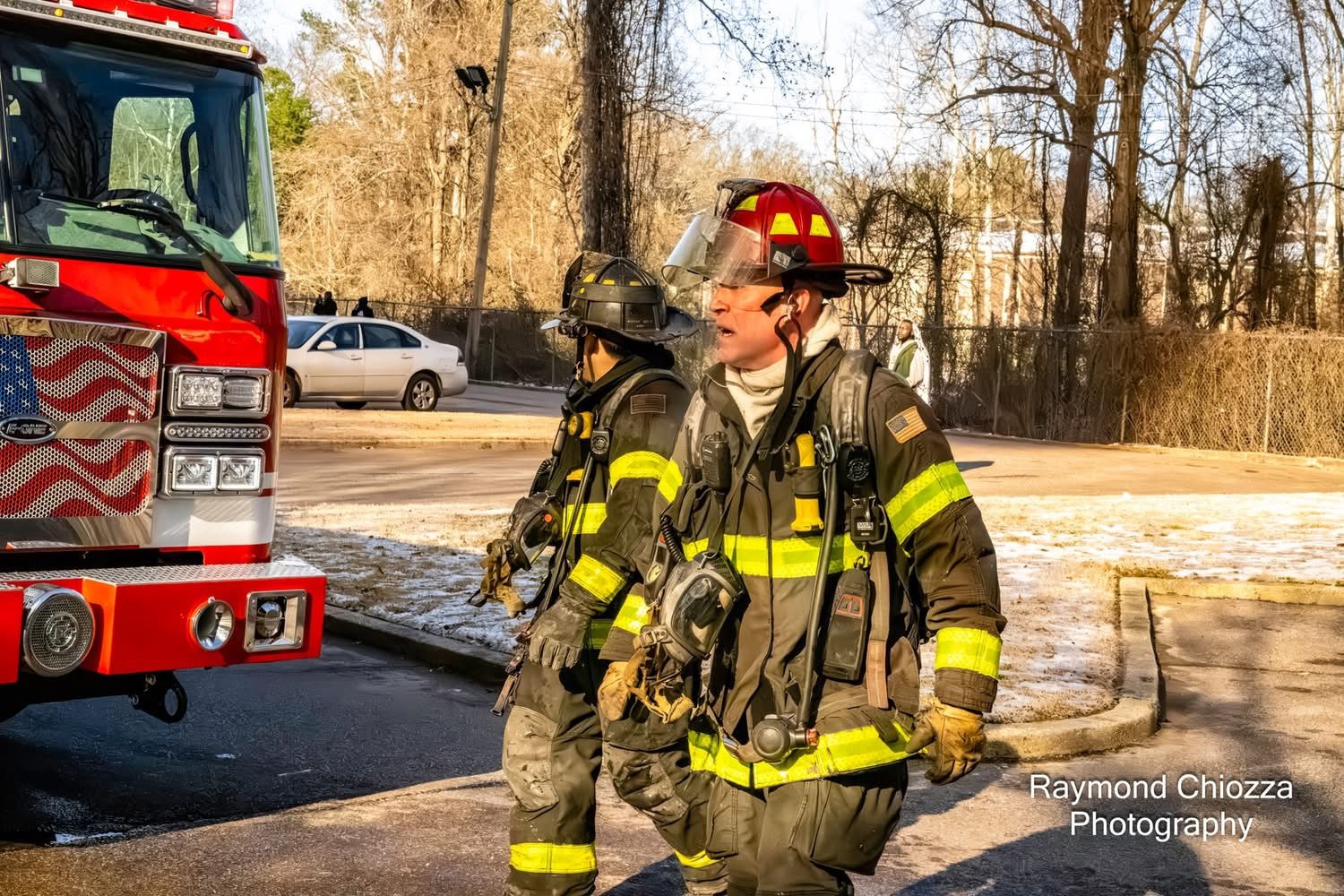
Rob Yahn is the driving force behind Fit 901, a premium strength and lifestyle coaching company in Memphis. With a distinguished career as a Memphis firefighter-paramedic since 1996, and over 20 years as a Fire Lieutenant on Memphis’s busiest truck companies, Rob brings unparalleled real-world experience to his coaching. He is a USAW-certified coach and a CrossFit L2 Trainer, coaching clients from their 20s to 70s+ to meet them at their current level and build them to their best. His approach emphasizes functional fitness and sustainable results.
Ready for the next step?
Fit 901 · Memphis · 901-657-4552