Starting Your Fitness Journey: A Beginner’s Guide
Key takeaways
Overwhelmed by fitness? Learn how to start your health, fitness, and nutrition journey in Memphis, even if you're a complete beginner.
Written by Rob Yahn
You’ve scrolled through social media, seen the “after” pictures, and maybe even felt a twinge of frustration looking in the mirror. You know you want to feel stronger, have more energy, and move with ease. But the idea of actually *starting*—especially if you’ve never really exercised or stepped foot in a gym—feels like a wall. Where do you even begin when everything seems designed for people who already know what they’re doing?
What’s the first step if I’ve never exercised before?
The first step is often the hardest: deciding to start. Once that decision is made, focus on small, consistent actions rather than aiming for perfection. Begin by incorporating more movement into your daily life. This could be a 15-minute walk around your Memphis neighborhood, taking the stairs instead of the elevator, or parking further away from the store. The goal is to build a foundation of activity before jumping into a full gym routine.
How do I choose the right type of exercise as a beginner?
For beginners, the “right” type of exercise is one you can stick with consistently and that feels safe. Strength training is highly effective for building muscle, losing fat, and improving mobility, making it an excellent starting point (Westcott, 2012). Unlike group classes that can be overwhelming, a coached strength program can meet you exactly where you are, teaching you proper form and gradually increasing intensity. Consider options that emphasize functional fitness, focusing on movements you use in everyday life.
What should I eat when I’m just starting to get healthy?
When beginning, focus on simple, sustainable nutritional changes rather than extreme diets. Prioritize whole, unprocessed foods: lean proteins, plenty of vegetables, fruits, and healthy fats. Hydration is also key; drink more water throughout the day. If meal prep feels daunting, consider services like our meal partner, which can provide ready-to-eat meals aligned with your nutritional goals, removing the cooking barrier that often derails good intentions.
How can I overcome the fear of going to a gym for the first time?
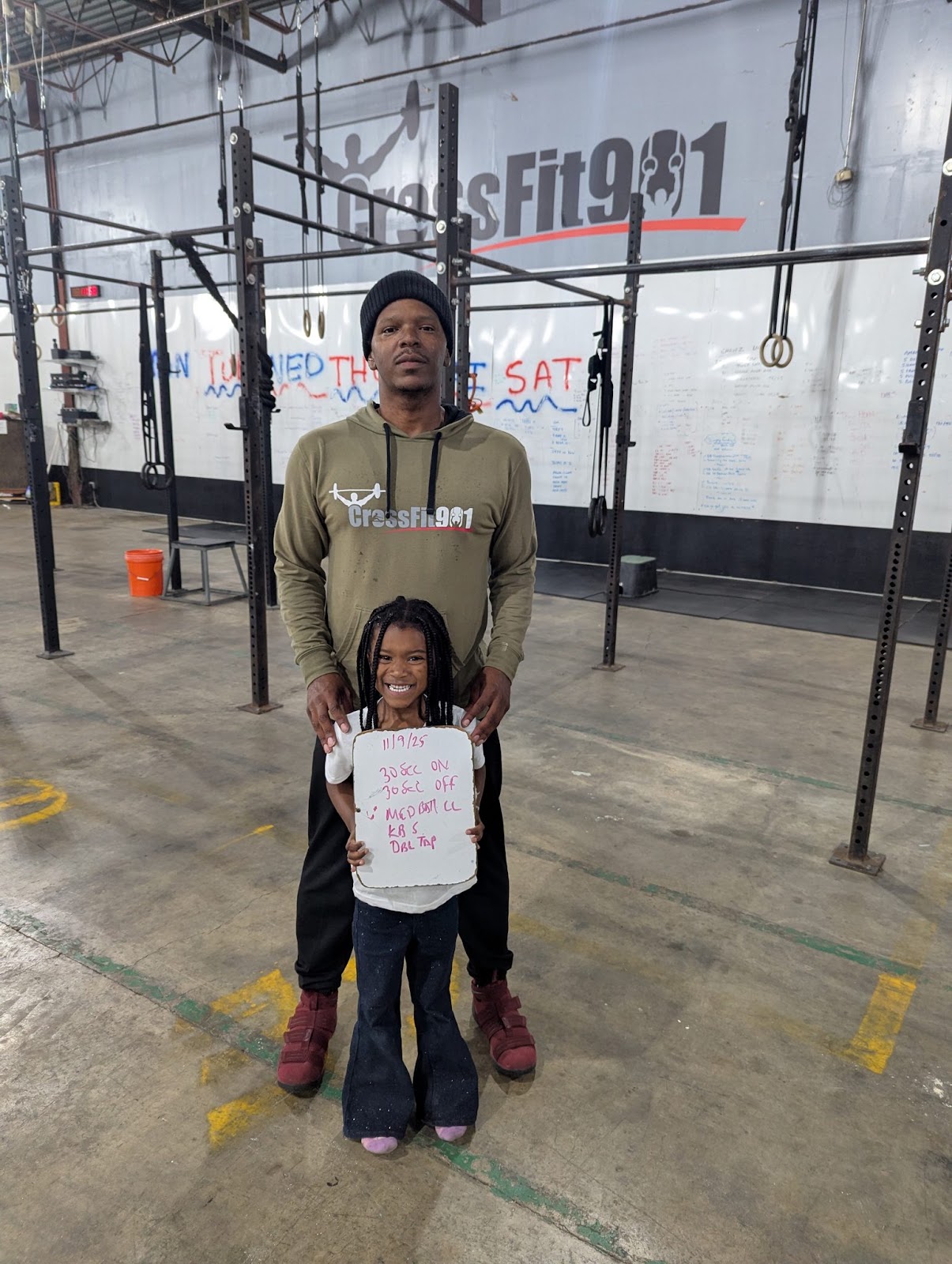
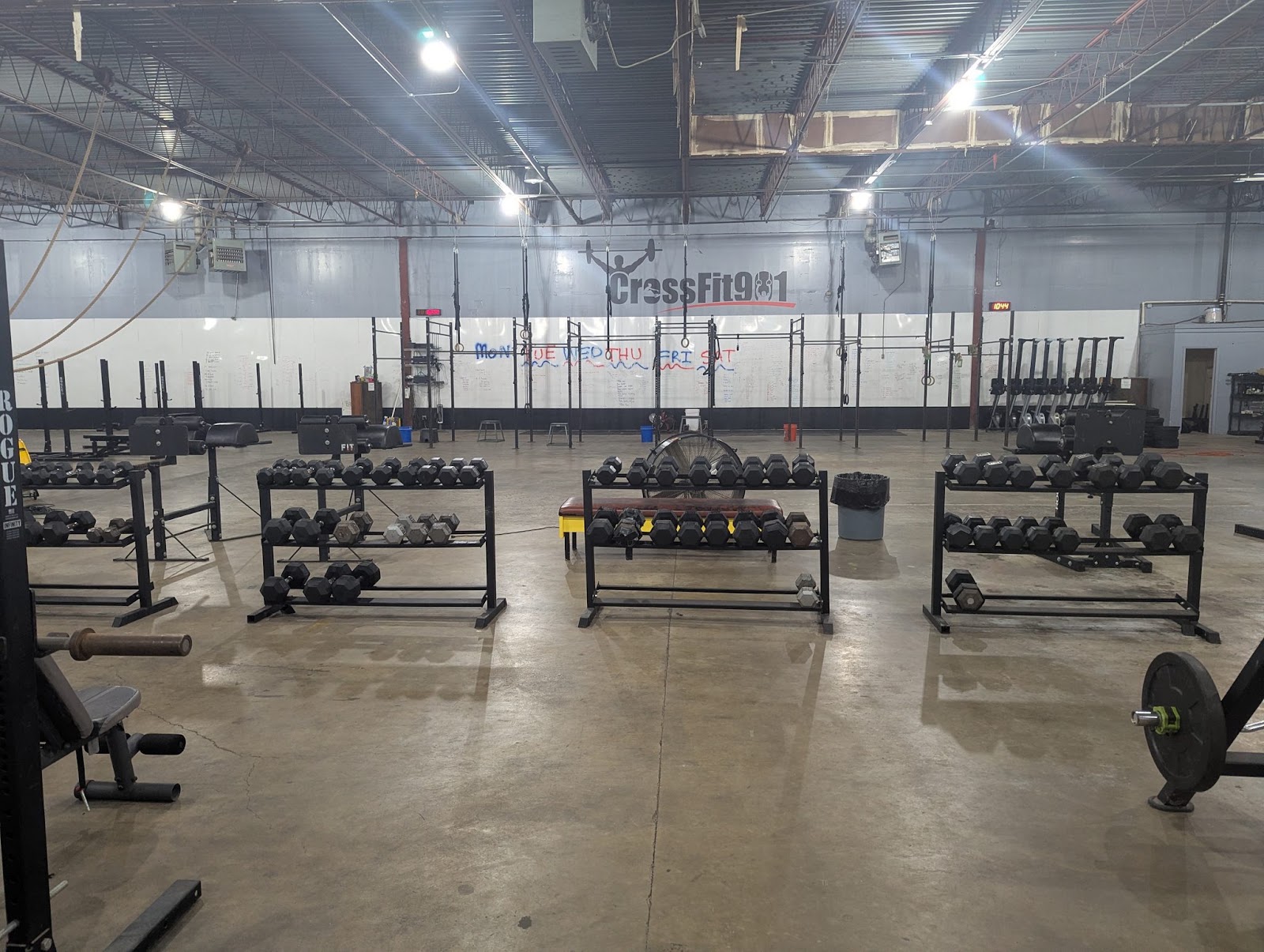
Many people feel intimidated by gyms, especially if they’re new to exercise. The key is to find an environment that prioritizes coaching and support over flashy equipment or an intimidating atmosphere. Look for places where the focus is on personal growth and accountability, not just aesthetics. A smaller, dedicated coaching facility in Memphis, for example, can offer a more welcoming space where you receive direct guidance and feel part of a community. Remember, everyone starts somewhere.
What role does accountability play in long-term success?
Accountability is crucial for making lasting changes beyond willpower alone (Duhigg, 2012). When you’re just starting, having a coach or a structured program provides the external motivation to show up and follow through, even on days you don’t feel like it. This consistent support helps build the systems and habits necessary for long-term success, ensuring you stay on track with both your fitness and nutrition goals. It shifts the burden from relying solely on your own discipline to having a system that actually fits your life.
Can medical support help with starting my fitness and fat loss journey?
For some, particularly busy professionals, parents, or older adults, medical support can be a valuable tool to kickstart or enhance their fat loss and health journey. Physician-led medical weight loss, including options like semaglutide or tirzepatide support, or peptide support, can help address metabolic challenges and create a more favorable environment for results. This is not about a “magic pill” but about combining medical guidance with real coaching, nutrition, and strength training to achieve sustainable outcomes. It’s an option to consider if you’ve struggled with traditional methods and need a more comprehensive approach.
FAQ
Do I need to be in shape before I start working with a coach?
No, a good coach meets you exactly where you are, regardless of your current fitness level. The program is designed to build you up from your starting point.
How long does it take to see results?
Results vary by individual, but with consistent effort in strength training and nutrition, most people begin to feel and see changes within 4-6 weeks (Kraemer et al., 2002).
Is strength training safe for older adults or those with joint pain?
Yes, when properly coached, strength training can be incredibly beneficial for older adults and those with joint issues, improving mobility and reducing pain. Coaches can modify exercises to be joint-safe.
If you’re ready to make a real change, but aren’t sure where to start, we can help you navigate the options and find the right path for you here in Memphis, TN. We believe in real coaching, real accountability, and helping you build systems that actually fit your life. Save 901-657-4552 to your contacts before we call — otherwise it will get screened as spam and we’ll lose you.
Ready to explore what’s possible and see if our approach is the right fit for your goals? Book a Free Consult.
About the Author
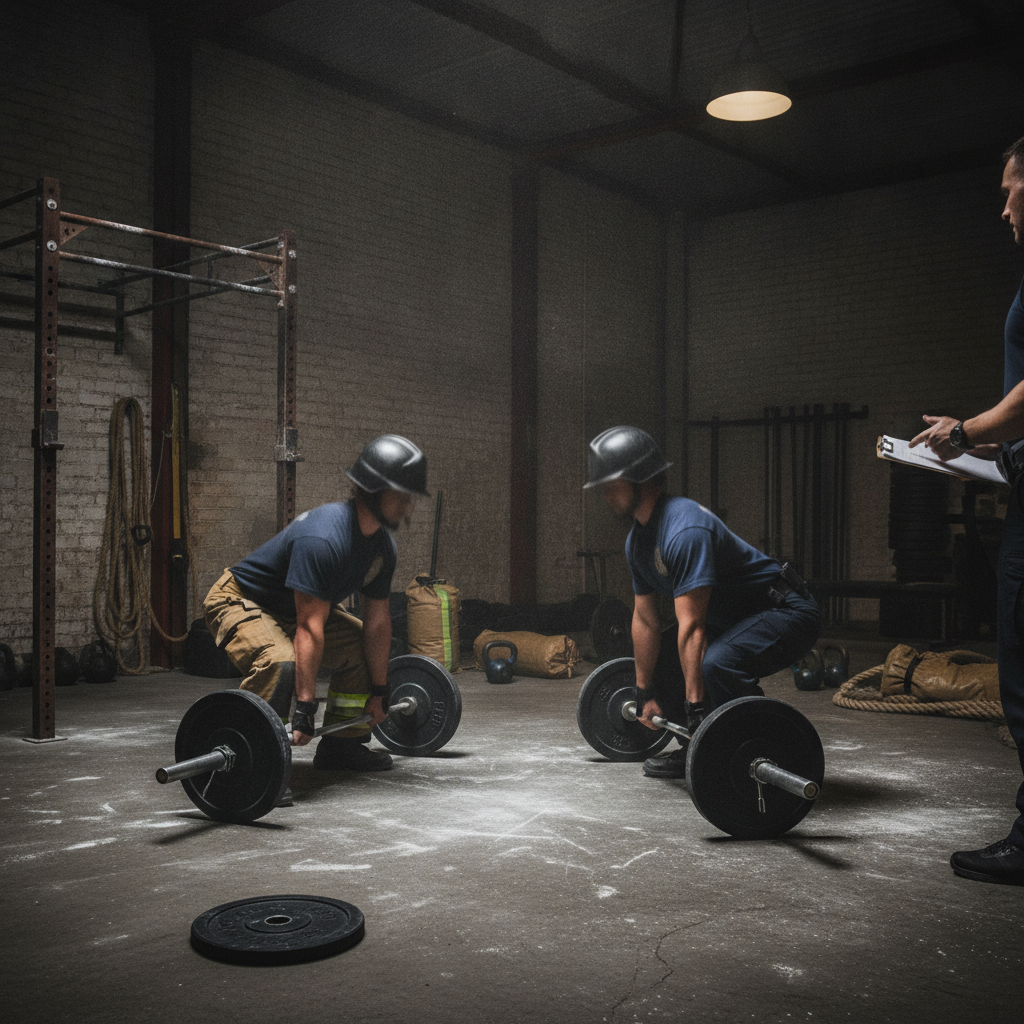
Rob Yahn is the driving force behind Fit 901, a strength and lifestyle coaching company in Memphis. With over 32 years in the fire service, including more than two decades as a Fire Lieutenant/Company Officer on Memphis’s busiest truck companies, Rob brings unparalleled real-world experience to his coaching. He is a USAW-certified coach and a CrossFit L2 Trainer, dedicated to helping adults from their 20s to their 70s+ build strength, improve mobility, and age better. Rob specializes in meeting clients at their current level and coaching them to their absolute best, fostering a culture of authenticity and hard-earned progress.
Ready for the next step?
Fit 901 · Memphis · 901-657-4552