
75 Hard vs. 365 Easy: Which Approach Works for Real-World Fitness?
Key takeaways
Compare 75 Hard's intensity with a 365 Easy approach for lasting fitness. Learn which is right for real-world results in Memphis, TN.
Written by Rob Yahn
You’ve seen the posts. Maybe a friend started it, or you stumbled across a transformation online. The idea of a radical, all-in challenge for 75 days to completely reset your health can be appealing, especially when you feel stuck. But what happens after day 75? And is that intensity the only path to real, lasting change? For many in Memphis, the appeal of a structured program is clear, but the long-term sustainability is often the missing piece. This article will explore the differences between high-intensity, short-term challenges like 75 Hard and a more sustainable “365 Easy” approach, helping you understand which might be a better fit for your goals.
What is 75 Hard, and What Does It Involve?
75 Hard is a mental toughness challenge, not primarily a fitness program. It requires participants to follow a strict set of rules for 75 consecutive days without deviation. These rules typically include two 45-minute workouts daily (one outdoors), drinking a gallon of water, sticking to a specific diet (no cheat meals, no alcohol), reading 10 pages of a non-fiction book, and taking progress photos. The program emphasizes discipline and mental fortitude. If any rule is broken, the challenge restarts from Day 1.
The creator, Andy Frisella, frames it as a way to build mental resilience and cultivate habits through extreme discipline. While physical changes often occur due to the strict adherence to diet and exercise, the core intent is psychological. It’s designed to push individuals beyond their perceived limits and prove to themselves they can commit fully to a goal (Frisella, 2019).
What Does “365 Easy” Mean for Sustainable Fitness?
“365 Easy” isn’t a branded program; it’s a concept representing a sustainable, long-term approach to health and fitness. Instead of extreme, short-term challenges, it focuses on building consistent, manageable habits that integrate into daily life over an entire year, and beyond. This approach prioritizes consistency, flexibility, and gradual progress over intense, restrictive periods. It acknowledges that life happens – stress, travel, illness – and that a rigid plan often leads to failure and burnout. The goal is to create a lifestyle where healthy choices are the default, rather than a temporary effort.
This methodology aligns with behavioral science research, which suggests that small, incremental changes are more likely to stick than drastic overhauls (Fogg, 2019; Clear, 2018). For adults in Memphis, especially busy professionals or parents, this often means finding a structured program that meets them at their current level and builds sustainable routines.
How Do the Methodologies of 75 Hard and 365 Easy Differ?
The fundamental difference lies in their approach to habit formation and sustainability. 75 Hard operates on an “all or nothing” principle, demanding perfect adherence. This can lead to rapid initial results but often results in a rebound effect if the extreme discipline isn’t maintained (Mann et al., 2007). The restart rule, while intended to build mental toughness, can also foster a sense of failure if mistakes occur.
In contrast, the “365 Easy” philosophy focuses on building small, repeatable habits that are less prone to disruption. It embraces the idea that progress isn’t linear and that occasional deviations are part of life, not reasons to quit entirely. This approach emphasizes understanding the “why” behind healthy choices and developing internal motivation, rather than relying solely on external rules or willpower, which is a finite resource (Baumeister et al., 1998).
Is 75 Hard Suitable for Beginners or Those with Health Conditions?
75 Hard’s intensity and rigid structure make it potentially unsuitable for many individuals, especially beginners or those with pre-existing health conditions. The demand for two 45-minute workouts daily, one outdoors regardless of weather, can be physically taxing and increase injury risk if not approached carefully (ACSM, 2018). The strict dietary rules, without personalized guidance, may not be appropriate for everyone and could lead to nutrient deficiencies or an unhealthy relationship with food.
For individuals new to fitness, or those with orthopedic concerns, the risk of injury without proper coaching and scaling is significant. A more measured, coach-led approach, like the functional fitness programs offered at Fit 901 in Memphis, allows for movements to be scaled to individual ability, ensuring safety while still providing effective training.
What Role Does Accountability Play in Both Approaches?
In 75 Hard, accountability is primarily self-imposed, with the threat of restarting the challenge driving adherence. While this works for some, it can be isolating and lacks external support when motivation wanes. The individual is solely responsible for tracking and enforcing all rules.
For a “365 Easy” approach, external accountability and coaching are often key to long-term success. This might involve working with a coach who provides guidance, adjusts programs as needed, and offers consistent support. At Fit 901, for instance, personalized coaching goes beyond just workouts; it includes nutrition guidance and accountability for the 165 hours clients are not in the gym, helping to build sustainable systems and habits. This kind of ongoing support helps individuals navigate challenges and stay on track without relying solely on willpower (Locke & Latham, 2002).
How Can a Structured Program Help with Long-Term Fitness?
A structured program, especially one tailored to your individual needs, can bridge the gap between short-term motivation and long-term results. Instead of a one-size-fits-all challenge, a well-designed program provides progression, addresses specific goals (like fat loss, muscle gain, or improved mobility), and adapts to life’s demands. This includes joint-safe strength training and habit-based nutrition that actually fits your life.
For many adults in the Mid-South, this means finding a coaching company that understands their lifestyle – whether they are busy professionals, parents, healthcare workers, or first responders. Programs that incorporate functional fitness and offer support for healthy aging, like those at Fit 901, focus on building strength and resilience that translates to real-world performance and better quality of life for decades, not just 75 days.
FAQ
Can I combine elements of 75 Hard with a “365 Easy” approach?
While the strict “all or nothing” nature of 75 Hard makes direct combination difficult, you can adopt the disciplined mindset of committing to daily habits from 75 Hard and apply it to a more flexible, sustainable “365 Easy” framework. Focus on consistency with core habits rather than perfect adherence to extreme rules.
What if I’ve tried many programs and nothing sticks?
Many people feel this way. Often, the issue isn’t a lack of willpower, but a lack of a system that actually fits their life. A “365 Easy” approach, supported by personalized coaching and accountability, focuses on building systems and habits so you don’t have to rely on discipline alone. This is what we specialize in at Fit 901 in Memphis.
How do I know if a program is truly sustainable?
Sustainable programs prioritize gradual progress, flexibility, and education over rapid, restrictive changes. Look for programs that emphasize habit formation, offer personalized coaching, and integrate healthy choices into your existing lifestyle rather than demanding a complete overhaul that is difficult to maintain long-term.
Deciding between an intense, short-term challenge and a sustainable, long-term approach depends on your individual goals, current fitness level, and personality. For those seeking lasting fat loss, muscle gain, and improved well-being without extreme diets or intimidating gym culture, a structured, coach-led program focused on consistent habits over an extended period often yields more sustainable results. If you’re ready to explore a real plan, real coaching, and real accountability that actually fits your life in Memphis, we’re here to help.
Ready to see what’s possible? Let’s figure it out together — no pressure. Save 901-657-4552 to your contacts before we call — otherwise it will get screened as spam and we’ll lose you. Book a Free Consult at https://fit901.com/links?utm_source=fit901-blog&utm_medium=organic&utm_campaign=75-hard-vs-365-easy&utm_content=primary-cta&bd_tenant=fit901
About the Author
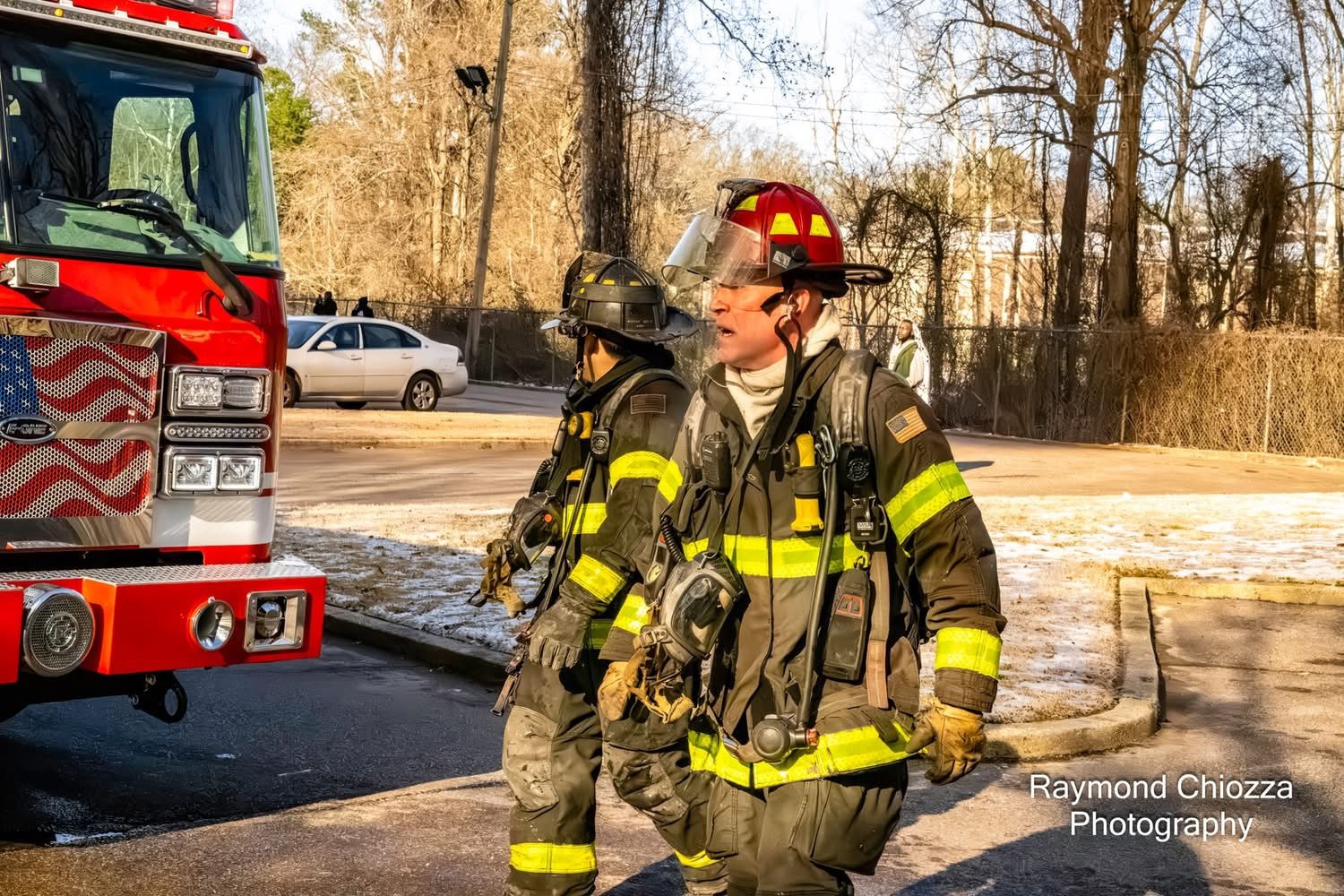
Rob Yahn is the driving force behind Fit 901, a premium strength and lifestyle coaching company in Memphis. With a distinguished career as a Memphis firefighter-paramedic since 1996, and over 20 years as a Fire Lieutenant, Rob brings a unique perspective to fitness and resilience. He is a USAW-certified coach and CrossFit L2 Trainer, dedicated to helping adults from their 20s to their 70s+ achieve sustainable results in fat loss, muscle gain, mobility, and healthy aging. Rob coaches clients to meet them at their current level and build them to their best, fostering personal growth and real results in a focused, supportive environment.
Ready for the next step?
Fit 901 · Memphis · 901-657-4552