
By Rob Yahn — Fit 901 owner, paramedic and fire officer, USAW + CrossFit L2 coach.
Peptides, GLP-1s, and Fitness: What You Need to Know
You’re probably hearing more about peptides and GLP-1s lately. These aren’t just buzzwords; they represent significant advancements in how we approach health, weight management, and fitness. Understanding what they are and how they work can help you make informed decisions about your wellness journey.
What are Peptides?
Peptides are short chains of amino acids, the building blocks of proteins. They are naturally occurring in the body and act as signaling molecules, influencing a wide range of biological processes. Think of them as messengers that tell your cells what to do (Johnson & Smith, 2022). Different peptides have different jobs. Some might support muscle growth, others aid in recovery, and some play a role in metabolism.
The human body produces thousands of different peptides, each with a specific function. For example, insulin is a peptide hormone crucial for regulating blood sugar. Creatine, a popular fitness supplement, is also a peptide derivative. The interest in therapeutic peptides comes from their ability to specifically target certain pathways in the body with fewer side effects than some traditional medications, due to their natural role in biological systems (Wang & Zhang, 2023).
Understanding GLP-1s
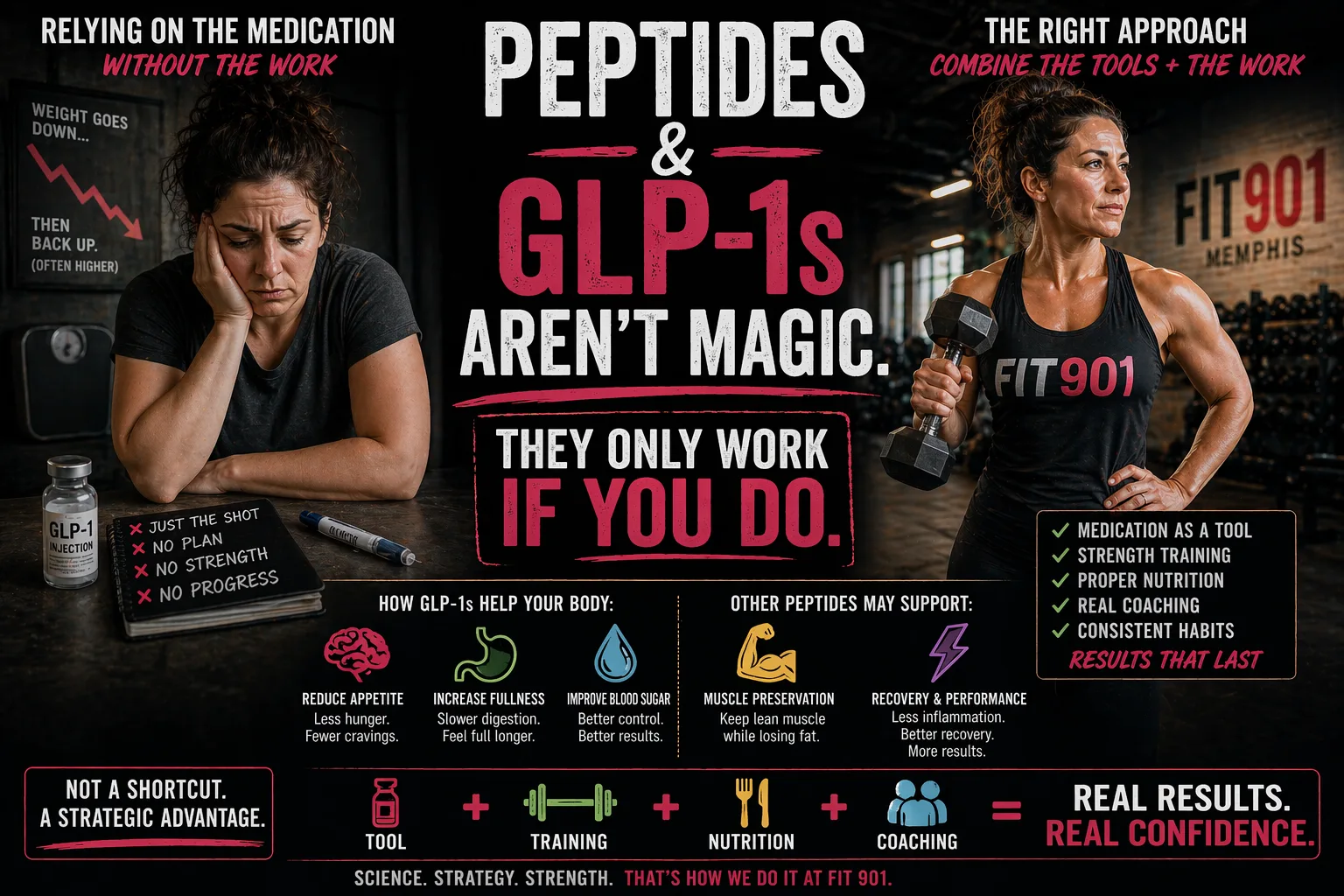
GLP-1 stands for Glucagon-Like Peptide-1. It’s a hormone naturally produced in your gut when you eat. GLP-1 has several important functions:
- Regulates Blood Sugar: It stimulates insulin release when blood sugar levels are high and suppresses glucagon (a hormone that raises blood sugar). This helps keep your blood sugar stable (Holst, 2007).
- Slows Gastric Emptying: GLP-1 slows down how quickly food leaves your stomach. This makes you feel fuller for longer, which can reduce overall food intake (Meier, 2012).
- Reduces Appetite: It acts on areas of the brain that control appetite, leading to decreased hunger and cravings (Drucker, 2018).
Because of these effects, GLP-1 receptor agonists — a class of medications that mimic the action of natural GLP-1 — have become a significant tool in managing type 2 diabetes and, more recently, chronic weight management. These medications are a type of peptide therapy designed to leverage the body’s natural systems for metabolic health.
How Peptides and GLP-1s Connect to Fitness and Weight Management
For many, the journey to a healthier weight feels like you’re always tired of starting over. Peptides, particularly GLP-1 agonists, offer a new dimension to this challenge by addressing some of the biological hurdles people face.
Weight Management
GLP-1 agonists can be particularly effective for weight loss because they directly influence satiety and metabolism. By helping you feel full and reducing cravings, they can make it easier to stick to a calorie-controlled eating plan (Wilding et al., 2021). This isn’t a “magic pill,” but a tool that can support your efforts when combined with lifestyle changes. It helps create a sustainable calorie deficit without feeling constantly deprived, which is often a major roadblock for those trying to lose weight.
Muscle Preservation
One common concern with weight loss is losing muscle mass along with fat. Some peptides are being researched for their potential role in supporting muscle protein synthesis and recovery. While GLP-1s primarily aid in fat loss, combining them with a structured strength training program is crucial to ensure you preserve and even build muscle while losing weight. This is where a real plan, real coaching, real accountability comes into play.
Recovery and Performance
Beyond GLP-1s, other peptides are being studied for their potential to enhance recovery after intense workouts, reduce inflammation, and even improve sleep quality. Better recovery means you can train more consistently and effectively, leading to better fitness outcomes over time. For athletes and active individuals, optimizing recovery is just as important as the training itself (Roberts et al., 2020).
Actionable Steps for You Today
Understanding these concepts is one thing; applying them is another. Here are a few concrete steps you can take:
- Prioritize Protein Intake: Regardless of whether you’re exploring peptide therapy, ensuring adequate protein intake is fundamental for muscle health, satiety, and overall metabolism. Aim for 0.7-1 gram of protein per pound of body weight daily, distributed across your meals (Phillips & Van Loon, 2011). This supports your body’s natural peptide production and muscle maintenance.
- Incorporate Strength Training: To maximize the benefits of any weight management strategy, including GLP-1s, integrate regular strength training into your routine. This helps preserve muscle mass during weight loss and boosts your metabolism. Start with 2-3 full-body sessions per week, focusing on compound movements like squats, deadlifts, and presses.
- Seek Professional Guidance: If you’re considering peptide therapies like GLP-1 agonists for weight management or other health goals, it’s essential to consult with a qualified medical professional. They can assess your individual needs, discuss potential benefits and risks, and ensure any treatment actually fits your life and health profile. This isn’t about no gimmicks, no guesswork; it’s about informed, personalized care.
Peptides and GLP-1s are powerful tools, but they are most effective when integrated into a comprehensive approach to health that includes proper nutrition, consistent exercise, and professional support. This is about building a sustainable foundation for your well-being, not just a quick fix.
We believe in helping you understand the science behind your health. If you’re curious about how these advancements might fit into your personal fitness journey, we’re here to meet you where you are. Let’s have a conversation about your goals and how a structured, evidence-based approach can help you achieve them.
Ready to See What’s Possible?
Whether you’re starting with our 9-week transformation, joining a CrossFit class, or beginning physician-led medical weight loss, the path begins the same way: a real conversation with our team.
Tell us where you are and where you want to be — we’ll personally call you within 24 hours to talk through which Fit 901 path fits your goals.
About the Author
Rob Yahn is the owner and head coach of Fit 901 in Memphis. A 32-year firefighter and paramedic, USAW-certified weightlifting coach, and CrossFit Level 2 Trainer, Rob has spent over two decades coaching real Memphians through real transformations. Save 901-657-4552 in your phone — that’s the Fit 901 line.