
Sustainable Fat Loss & Body Transformation in Memphis, TN
Key takeaways
Discover the ultimate guide to sustainable fat loss and body transformation in Memphis, TN. Learn practical strategies for lasting results.
By Rob Yahn — Fit 901 owner, paramedic and fire officer, USAW + CrossFit L2 coach.
The Ultimate Guide to Sustainable Fat Loss & Body Transformation in Memphis, TN
Many people in Memphis, TN, find themselves tired of starting over when it comes to fat loss. The cycle of trying new diets, intense workout plans, and then losing motivation is common. This guide cuts through the noise, offering a clear, research-backed path to sustainable fat loss and body transformation. We believe in providing a real plan, real coaching, and real accountability that actually fits your life, without gimmicks or guesswork.
Understanding Fat Loss: More Than Just the Scale
Fat loss is often misunderstood as simply seeing a lower number on the scale. However, true fat loss involves reducing body fat percentage while preserving or even building muscle mass. This distinction is crucial for a healthy metabolism and a truly transformed physique. Focusing solely on weight can be misleading because muscle weighs more than fat by volume. A sustainable approach prioritizes body composition changes over fleeting weight fluctuations (Schoenfeld, 2010).
The science behind fat loss is rooted in energy balance: consuming fewer calories than you expend. However, the quality of those calories and how they impact your hormones, satiety, and energy levels are equally important. For instance, a diet rich in protein helps preserve muscle during a calorie deficit, which is vital for maintaining metabolic rate (Pasiakos et al., 2015). Understanding these principles is the first step toward a successful and lasting transformation.
The Role of Metabolism in Fat Loss
Your metabolism is the process by which your body converts what you eat and drink into energy. A higher metabolic rate means your body burns more calories at rest. Factors like age, genetics, and body composition influence your metabolism. Muscle tissue is more metabolically active than fat tissue, meaning it burns more calories even when you’re not exercising. This is why resistance training is a cornerstone of effective fat loss strategies.
To optimize your metabolism, focus on consistent strength training, adequate protein intake, and sufficient sleep. These elements work synergistically to create an environment where your body efficiently burns fat and maintains muscle. Neglecting any of these can slow down your progress and make fat loss feel like an uphill battle.
Nutrition Strategies for Sustainable Fat Loss in Memphis
Effective fat loss in Memphis, TN, starts with a nutrition plan that is both effective and sustainable. This means moving away from restrictive diets and embracing balanced eating that you can stick with long-term. The goal is to create a moderate calorie deficit while ensuring you get all the necessary nutrients to support your energy levels and muscle health.
Prioritize whole, unprocessed foods. Lean proteins, complex carbohydrates, healthy fats, and plenty of fruits and vegetables should form the foundation of your diet. Portion control is also key. Learning to recognize appropriate serving sizes can prevent overeating without feeling deprived. We help clients build personalized nutrition plans that actually fit your life, making healthy eating a habit rather than a temporary fix.
Practical steps you can take today include tracking your food intake for a few days to understand your current habits (James Clear, 2018). Focus on adding a protein source to every meal and increasing your vegetable intake. These small, consistent changes build momentum for larger transformations.
The Power of Movement: Exercise for Body Transformation
Exercise is a non-negotiable component of sustainable fat loss and body transformation. It goes beyond just burning calories during the workout; it builds muscle, improves cardiovascular health, boosts mood, and enhances overall well-being. A balanced exercise program typically includes both resistance training and cardiovascular exercise.
Resistance training, whether using weights, resistance bands, or bodyweight, is crucial for building and maintaining muscle mass. As discussed, more muscle means a higher resting metabolic rate. Aim for 2-4 resistance training sessions per week, targeting all major muscle groups (ACSM, 2018). Cardiovascular exercise, such as walking, jogging, cycling, or swimming, improves heart health and contributes to calorie expenditure. Incorporate 150-300 minutes of moderate-intensity cardio per week.
Don’t forget the importance of non-exercise activity thermogenesis (NEAT). This includes all the calories burned from daily movements outside of structured exercise, like walking, standing, and fidgeting. Increasing your NEAT can significantly contribute to your overall calorie expenditure. Consider taking the stairs, parking further away, or standing more often throughout your day.
Overcoming Challenges: Mindset and Accountability
The journey to fat loss often comes with mental and emotional hurdles. Many people struggle with motivation, consistency, and self-doubt. This is where mindset and accountability become critical. Developing a resilient mindset means viewing setbacks as temporary and learning opportunities, rather than reasons to give up.
Accountability is a powerful tool. Having someone to report to, whether it’s a coach, a friend, or a support group, significantly increases your chances of sticking to your plan (BJ Fogg, 2019). This is a core component of our approach at Fit 901; we provide real coaching and real accountability to help you stay on track. We meet you where you are, understanding that life happens, and help you navigate those challenges.
To start building a stronger mindset today, identify your “why.” What is your deepest reason for wanting to transform? Write it down and revisit it regularly. For accountability, find a workout buddy or consider working with a coach who can provide guidance and support.
Sleep, Stress, and Hormones: The Unsung Heroes of Fat Loss
While diet and exercise are often highlighted, the impact of sleep, stress, and hormonal balance on fat loss cannot be overstated. These factors play a profound role in your body’s ability to burn fat efficiently and maintain overall health.
Poor sleep quality or insufficient sleep can disrupt hormones that regulate appetite, such as ghrelin and leptin, leading to increased hunger and cravings (Spiegel et al., 2004). Aim for 7-9 hours of quality sleep per night. Stress, particularly chronic stress, elevates cortisol levels, which can promote fat storage, especially around the abdomen. Managing stress through techniques like mindfulness, meditation, or engaging in hobbies is crucial.
Hormonal balance is also key. Insulin sensitivity, thyroid function, and sex hormones all influence metabolism and fat distribution. A holistic approach to fat loss considers these internal factors and addresses them through lifestyle adjustments, and in some cases, medical guidance. This integrated perspective is central to our Medical Weight Loss program, ensuring all aspects of your health are supported.
Sustainable Habits for Long-Term Success
The ultimate goal of any fat loss journey should be to create sustainable habits that last a lifetime. This means moving beyond temporary fixes and integrating healthy choices into your daily routine seamlessly. Think about small, consistent actions that compound over time rather than drastic, short-lived efforts.
One actionable step is to plan your meals and workouts in advance. This reduces decision fatigue and increases the likelihood of adherence. Another is to focus on progress, not perfection. There will be days when you miss a workout or make less-than-ideal food choices. The key is to get back on track the next day without guilt or self-criticism. This resilience is what builds lasting change.
Building a supportive community can also be a game-changer. Whether it’s through our Buddy System or Corporate Wellness programs, having others on a similar journey provides motivation, shared experiences, and a sense of belonging. This collective support helps solidify positive habits and makes the process more enjoyable.
Why Choose a Structured Program for Fat Loss in Memphis, TN?
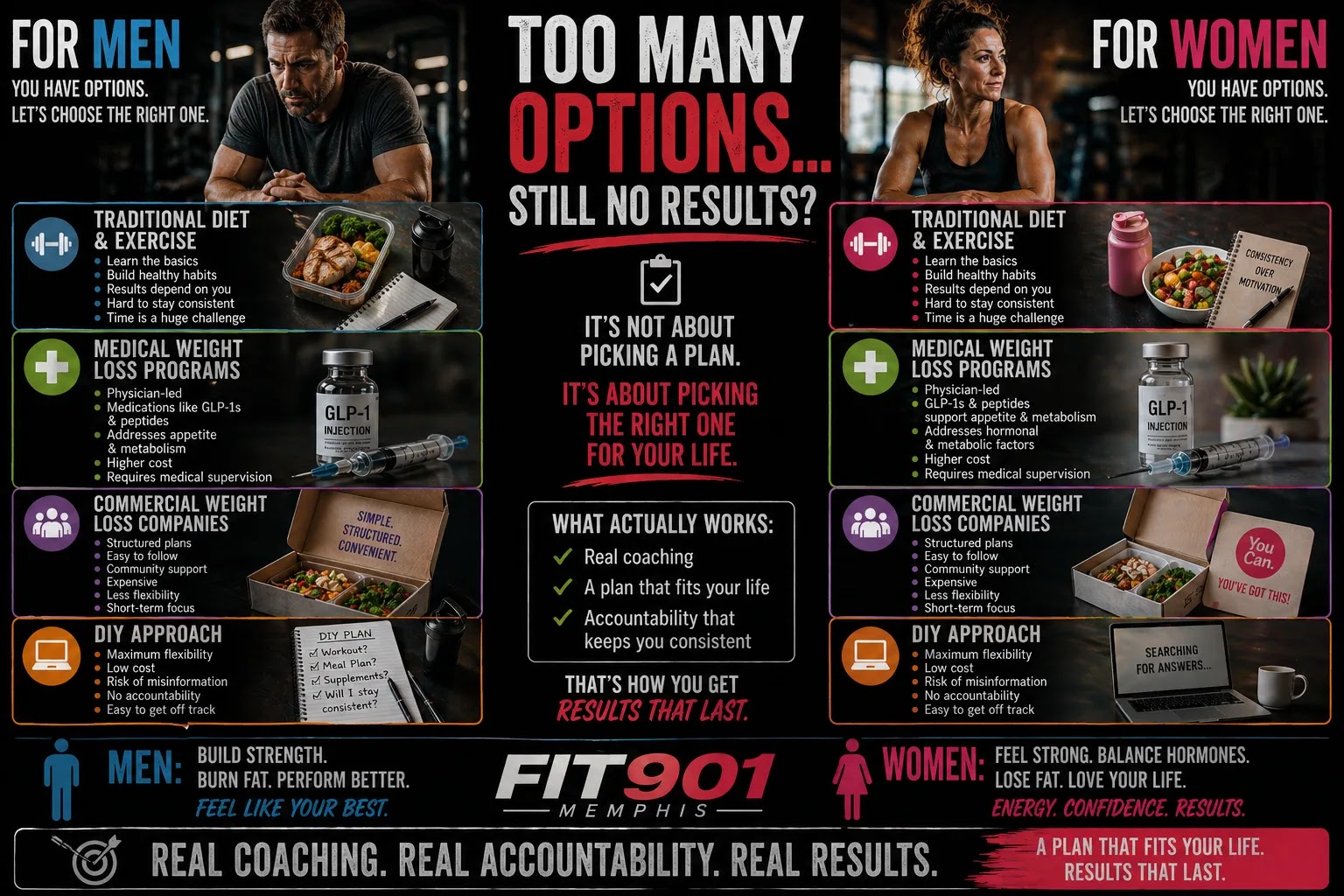
Navigating the complexities of fat loss alone can be overwhelming. With so much conflicting information available, it’s easy to get lost or fall prey to ineffective fads. A structured program, like our Transformation program at Fit 901, offers a clear, evidence-based roadmap tailored to your individual needs.
We provide a real plan, real coaching, and real accountability. Our experienced coaches meet you where you are, understanding your unique challenges and goals. We help you develop strategies that actually fit your life, ensuring that your journey is sustainable and leads to lasting results. No gimmicks, no guesswork – just a proven system designed for success. We focus on education, empowerment, and building habits that will serve you long after your initial transformation.
Frequently Asked Questions About Fat Loss
Q: How quickly can I expect to lose fat?
A: Healthy, sustainable fat loss typically ranges from 1-2 pounds per week. Rapid weight loss often includes muscle and water, which is not ideal for long-term body transformation or metabolic health.
Q: Do I need to cut out all carbs to lose fat?
A: No, you do not. While some low-carb diets can be effective, carbohydrates are an important energy source, especially for active individuals. The key is to choose complex carbohydrates in appropriate portions and integrate them into a balanced diet.
Q: What if I hit a plateau in my fat loss journey?
A: Plateaus are common. They often indicate that your body has adapted to your current routine. This is a good time to reassess your nutrition, adjust your calorie intake, change your workout intensity or type, or look at lifestyle factors like sleep and stress. A coach can help identify the specific adjustments needed.
Q: Is cardio or weightlifting better for fat loss?
A: Both are important. Weightlifting builds muscle, which boosts your metabolism. Cardio burns calories and improves cardiovascular health. The most effective approach combines both for comprehensive body transformation.
Q: How important is protein for fat loss?
A: Protein is extremely important. It helps preserve muscle mass during a calorie deficit, promotes satiety, and has a higher thermic effect (meaning your body burns more calories digesting it) compared to fats and carbs. Aim for adequate protein intake with every meal.
Ready to See What’s Possible?
Whether you’re starting with our 9-week transformation, joining a CrossFit class, or beginning physician-led medical weight loss, the path begins the same way: a real conversation with our team.
Tell us where you are and where you want to be — we’ll personally call you within 24 hours to talk through which Fit 901 path fits your goals.
About the Author
Rob Yahn is the owner and head coach of Fit 901 in Memphis. A 32-year firefighter and paramedic, USAW-certified weightlifting coach, and CrossFit Level 2 Trainer, Rob has spent over two decades coaching real Memphians through real transformations. Save 901-657-4552 in your phone — that’s the Fit 901 line.
Ready for the next step?
Fit 901 · Memphis · 901-657-4552